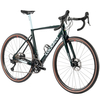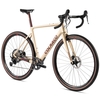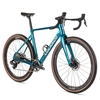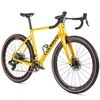

The 32-Inch Gravel Wheel Trend: Game-Changer or Industry Hype?
Gravel cycling has always been about finding the right balance between speed, grip, and comfort. For years, 700c wheels have been the preferred choice for most gravel bikes. But in 2026, a much larger wheel size is starting to attract attention.
32-inch wheels have appeared on prototype race bikes and specialist gravel builds, promising smoother obstacle rollover and improved momentum across rough terrain.
The concept sounds appealing, particularly for riders tackling rocky trails or long gravel races. But does a bigger wheel automatically mean a faster bike?
For Malaysian cyclists, the more immediate question is whether this emerging technology is worth pursuing or if a well-optimised 700c setup already delivers what most riders need.

Why Are 32-Inch Wheels Making Headlines?
Larger wheels aren't a new idea in cycling. The move from 26-inch to 29-inch mountain bike wheels showed how wheel diameter can influence performance on uneven terrain. Now, manufacturers are exploring whether taking that concept further could benefit gravel racing.
Smoother Rollover on Rough Terrain
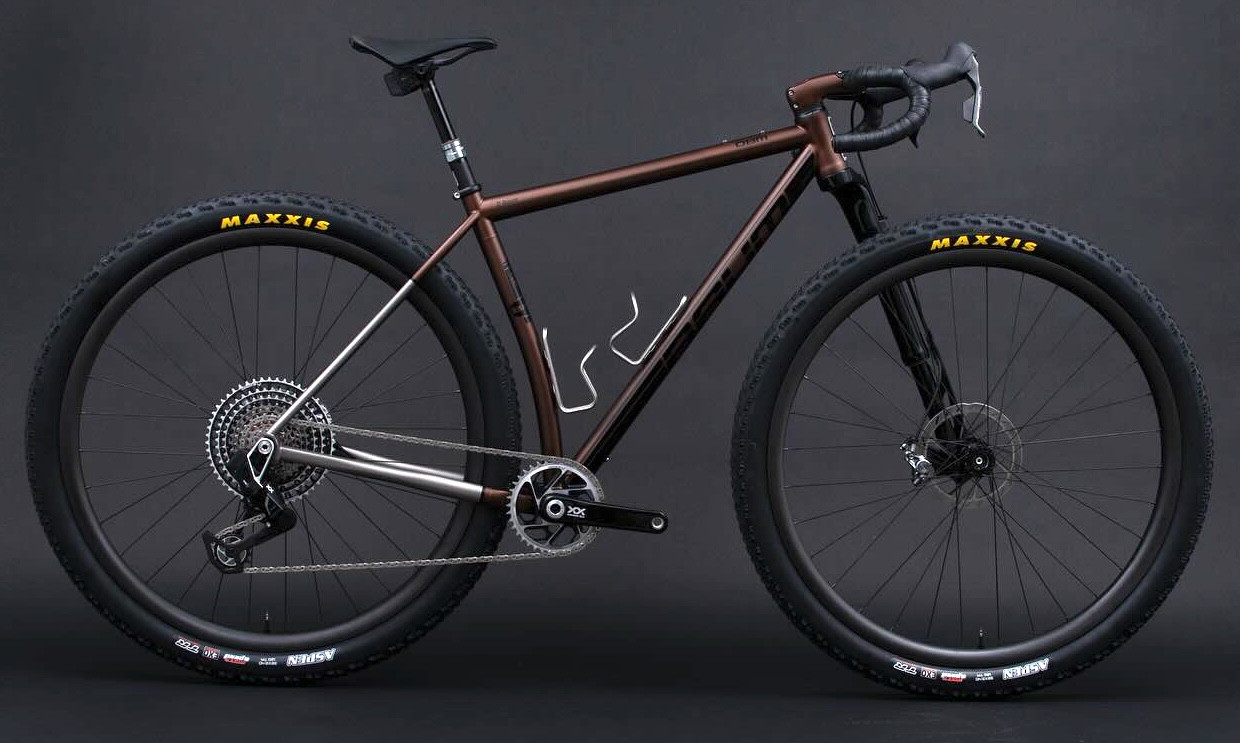
The biggest theoretical advantage of a 32-inch wheel is its ability to roll over obstacles more easily. A larger wheel approaches rocks, roots, and uneven surfaces at a shallower angle, reducing the disruption caused by each obstacle.
This could help riders maintain momentum across rough gravel sections, where repeated impacts can drain energy and slow the bike down. However, larger diameter alone doesn't guarantee lower rolling resistance. Tyre construction, tread, pressure, and surface conditions remain important.
More Traction and Stability
Larger wheels may also offer greater stability over uneven terrain, helping riders maintain control at speed. Depending on tyre width, pressure, and load, they can produce a longer contact patch. However, traction isn't determined by wheel diameter alone.
Tyre compound, tread design, and inflation pressure often have a more noticeable influence on grip, especially across loose gravel and wet surfaces.
The Trade-Offs of Going Bigger
There's a reason manufacturers haven't immediately abandoned 700c. Larger rims and tyres can add weight, particularly around the wheel's outer circumference. This may increase rotational inertia, potentially making acceleration feel less responsive.
Packaging is another challenge. Bigger wheels require additional frame and fork clearance, while maintaining suitable geometry becomes increasingly difficult on smaller frame sizes. The technology is promising, but there are compromises to consider.
Are 32-Inch Wheels Practical for Malaysian Gravel Riders?
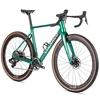
For most Malaysian riders, not yet. Mainstream gravel platforms from brands such as Cannondale, Merida, and Factor are designed primarily around established wheel standards, especially 700c.
A genuine 32-inch setup uses a substantially larger rim diameter and cannot simply be fitted into an ordinary 700c gravel frame. Manufacturers have started experimenting with purpose-built designs.
Scott developed 32-inch gravel prototypes for Unbound Gravel 2026, while specialist frame builders such as Mosaic have introduced custom options. However, these remain niche products rather than widely available mainstream gravel bikes.
There's also the question of replacement parts. Locally, tyre selection, compatible rims, forks, and complete wheelsets are considerably more established for 700c. For gravel riding around Malaysia, from compact plantation tracks to rougher off-road routes, a properly configured 700c bike remains the more practical option. More importantly, you don't need a completely new wheel standard to improve comfort, traction, and efficiency.
How to Get Similar Benefits From Your Current 700c Gravel Bike
If smoother rolling and better control are your priorities, start with the components that have the greatest influence on how your bike handles rough ground.
1. Choose High-Volume Tubeless Tyres
Wider tyres are one of the most effective upgrades for gravel riding. Increasing tyre volume allows you to run appropriately lower pressures, helping the tyre absorb surface irregularities instead of transmitting every impact through the frame.
Options such as the Pirelli Cinturato Gravel H feature a fast-rolling tread designed for hard-packed gravel and compact terrain. A wider tyre also increases the overall rolling diameter slightly, although it won't turn a 700c wheel into a genuine 32-inch setup.
For Malaysian conditions, choosing the right tread and pressure can make a more noticeable difference than chasing wheel diameter alone.

2. Upgrade to Wider Carbon Rims
A suitable wheelset can improve how your tyres perform. Wider internal rims offer better support for compatible high-volume tyres, influencing tyre shape, cornering stability, and pressure requirements.
The Zipp 303 Firecrest, for example, features a 25mm internal rim width and tubeless-ready carbon construction. It's designed for efficient riding across varied surfaces, making it a versatile option for compatible road and light-gravel setups.
Just remember that wider rims don't automatically reduce rolling resistance. The benefits depend on the complete wheel-and-tyre combination. Make sure your tyres are compatible with your rims and follow the recommended tyre pressure limits, especially for hookless wheelsets.

3. Consider a Gravel Bike With More Tyre Clearance
If your current frame limits tyre width, upgrading the wheels alone won't solve the problem. Modern gravel bikes increasingly offer clearance for larger tyres, giving riders greater freedom to choose setups that suit different surfaces.
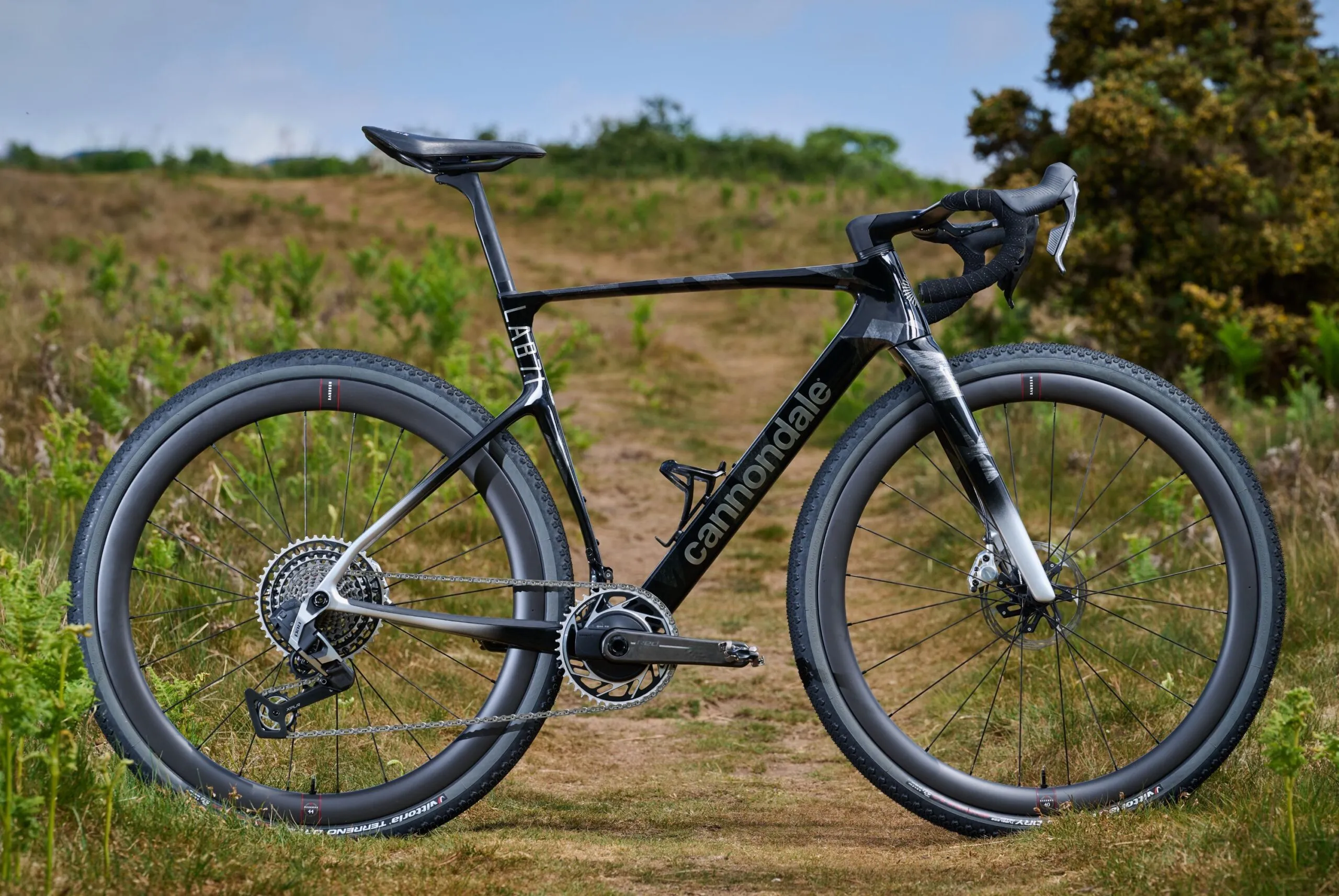
The Cannondale Topstone Carbon 4 is one example of a gravel-focused platform available at Pedalspot, combining wide-tyre capability with Cannondale's Kingpin rear suspension design. Before upgrading, confirm the exact frame generation and maximum tyre clearance for your chosen wheel and tyre combination.
A bike that accommodates suitable high-volume tyres can deliver substantial comfort and traction benefits without requiring experimental wheel standards.
Final Word
The growing interest in 32-inch wheels shows that gravel bike development is far from standing still. Larger wheels offer interesting possibilities for obstacle rollover and momentum, but their overall performance advantage remains dependent on terrain, rider size, and bike design.
For Malaysian cyclists, 700c remains the sensible choice. Tyres, wheelsets, and compatible frames are readily available, with plenty of room to improve performance through careful component selection.
Rather than chasing the newest wheel size, focus on what will make your current bike faster, more comfortable, and better suited to the terrain you actually ride.
At Pedalspot, we offer performance gravel tyres, carbon wheelsets, and gravel bikes to help you build a setup that works for your riding style. Explore our cycling collection online or speak with our team about choosing the right upgrades for your next gravel adventure.