
A bike handlebar upgrade can change comfort, steering control, and long-ride fatigue more than many riders expect, but the “best” handlebar depends on fit, riding style, and compatibility with the current cockpit parts. Pedalspot lists original handlebars for sale in Malaysia and emphasizes service/support, technical expertise, and a wide selection, so the goal is choosing a bar that fits correctly before checking out.
Why Your Bike Handlebar Matters On Every Ride
The handlebar is one of the main contact points on a bicycle, so its width and shape influence posture, breathing space, steering leverage, and how stable the bike feels when cornering or descending. Small changes to handlebar setup can also shift pressure onto the hands and shoulders, which is why riders often notice numb palms, tight traps, or wrist discomfort when a bar is too wide, too narrow, or paired with the wrong stem length.
A practical way to think about handlebars is “fit first, weight second”. If a handlebar puts the rider in a position that is hard to hold for 30 to 60 minutes, the bike will feel slower and less confident even if the part is high-end.
Handlebar Types And What They’re Built For
Handlebars are usually chosen by bike category and riding position, because the controls, hand positions, and leverage needs are different. Road bikes typically use drop handlebars to offer multiple hand positions (tops, hoods, drops), while mountain bikes and many commuters use flat or riser bars for more leverage and easier low-speed control.
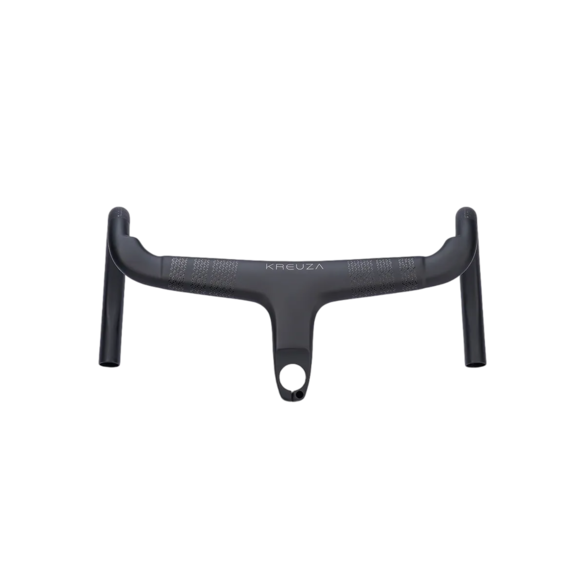
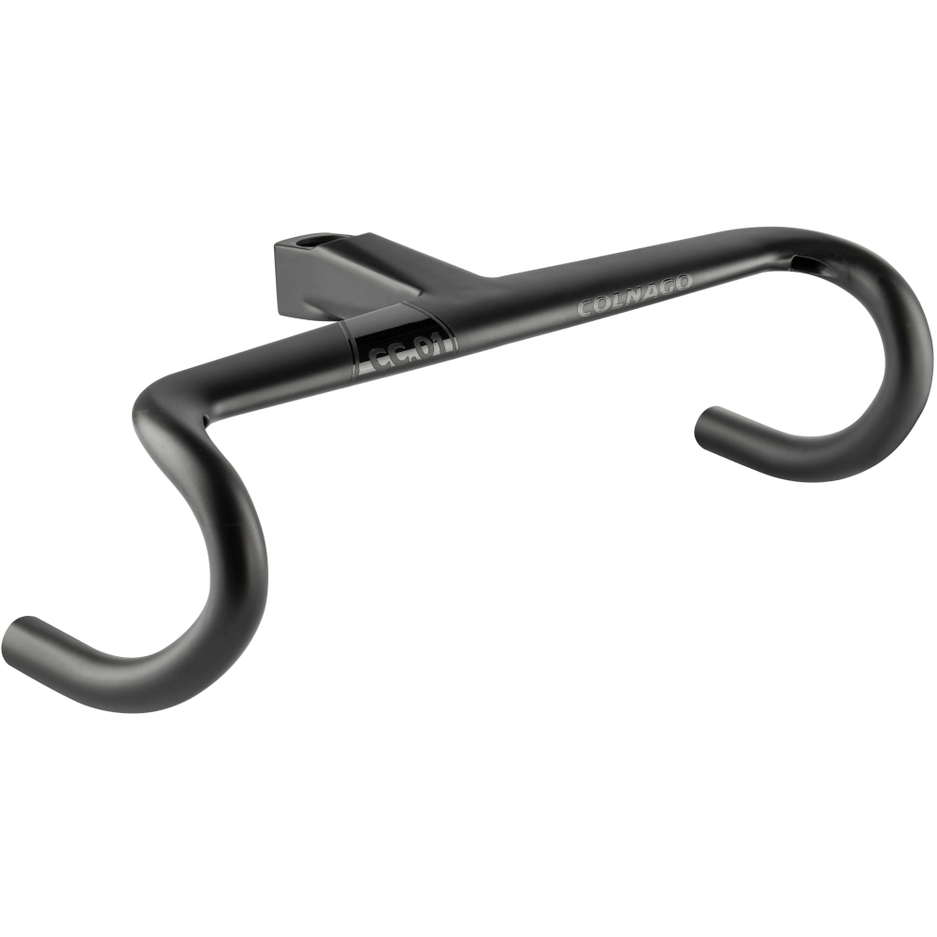
Some higher-end road builds use integrated handlebar-and-stem cockpits, which combine bar and stem into one piece for a cleaner look and often internal cable routing. Integrated setups can look premium and tidy, but they also reduce fit flexibility because changing reach or bar width may require changing the entire cockpit rather than only a stem or bar.
Key Measurements To Understand Before Buying A Handlebar
Buying a handlebar by “looks” is how many riders end up with discomfort or unstable steering, so it helps to understand the basic sizing terms used in listings.
-
Handlebar Width
Width influences leverage and breathing posture. Wider bars generally feel more stable and provide more leverage (popular in MTB and gravel), while narrower bars can feel more aerodynamic and quicker to steer but may reduce leverage for sprinting or rough surfaces. Many fit resources suggest using shoulder width and riding style as the starting point, then fine-tuning based on comfort and control. -
Reach and Drop (Drop Bars)
Reach is the horizontal distance from the tops to the hoods area, and drop is the vertical distance down to the drops. A long reach or deep drop can feel fast and aggressive, but it can also overload the lower back and shoulders if flexibility or core endurance is not ready for that posture. For riders who want comfort on long weekend rides, choosing a bar with moderate reach and drop often makes it easier to stay relaxed on the hoods and still use the drops when needed. -
Rise, Upsweep, and Backsweep (Flat/Riser Bars)
On flat or riser bars, rise changes torso height, while sweep affects wrist angle. More rise can reduce pressure on hands by making posture more upright, while backsweep can feel more natural on the wrists for casual riding or long commutes. If wrists feel “twisted” or elbows flare uncomfortably, sweep is often the missing detail. -
Clamp Diameter and Cockpit Compatibility
A handlebar must match the stem clamp diameter, otherwise it simply will not fit safely. Many modern stems use 31.8 mm clamps, while some setups use 35 mm for stiffness or other standards on certain bikes, so it’s important to confirm the clamp spec before purchasing. A mismatch here is one of the most common “wrong part” problems when buying handlebars online.
Choosing A Handlebar Based On Riding Style In Malaysia
Malaysian riders often mix road loops, city riding, and occasional climbs, so a handlebar choice should match how the bike is actually used, not only the bike category.

DEDA Alanera DCR Integrated Handlebar / Stem
-
Road Riding and Group Rides
For road bikes, comfort on the hoods matters because that is where many riders spend most of the time. If neck and shoulder tension builds up early, the bar may be too wide, the reach too long, or the overall front end too stretched, and a different bar shape can solve it without changing the whole bike. Choosing a drop bar that supports relaxed hood position helps with endurance and control in traffic and in pace lines. -
Fitness Riding and Commuting
For commuters and fitness riders, stable steering and wrist comfort often matter more than aerodynamics. A slightly wider flat bar, or a bar with appropriate sweep, can improve confidence at low speeds and reduce hand fatigue during stop-and-go riding. -
MTB and Mixed-surface Riding
On mountain bikes, bar width is closely tied to control, because wider bars can improve leverage during descents and technical steering inputs. However, bars that are too wide can strain shoulders or make tight trails awkward, so it’s common for riders to choose a bar and then trim it to the ideal width if the model allows it. Guidance on bar width often emphasizes balancing leverage with shoulder comfort rather than maximizing width by default.
Material Choices And What They Change
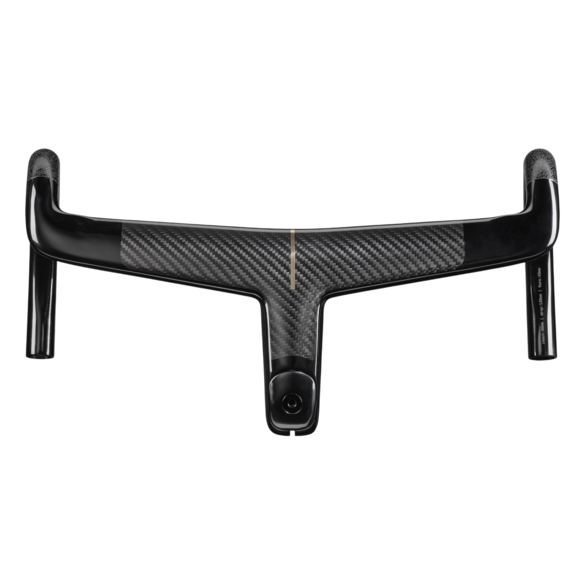
CANNONDALE SystemBar Road Carbon Handlebar
Handlebars are commonly made from aluminium alloy or carbon fiber, and material affects weight, stiffness, and the feel of vibration through the hands.
Aluminium handlebars are popular because they are durable and typically offer strong value, making them a reliable choice for most riders upgrading from stock parts. Carbon handlebars can be lighter and may reduce some high-frequency vibration depending on design, but they require careful installation torque and correct clamping to avoid damage.
Integrated carbon cockpits are a premium option seen on performance road bikes, and they often appeal to riders who want a cleaner front end and internal routing aesthetics. The tradeoff is adjustability, because changes to stem length or bar width become more complex compared to a separate stem and handlebar.
Quick Checklist Before Buying A Handlebar For Sale
Before clicking “buy”, it helps to confirm a few items so the new handlebar works with the current bike setup:
-
Match the stem clamp diameter to the handlebar clamp diameter.
-
For drop bars, confirm the control compatibility and routing needs, especially if considering an integrated bar/stem with internal routing.
-
Choose width based on shoulder comfort and control needs, not only trend or aesthetics.
-
If changing handlebar width significantly, consider whether the stem length also needs adjustment to keep the same overall reach feel.
Explore Pedalspot’s handlebar collection today for original options, wide selection, and expert support.