

A noisy, skipping, or “ghost shifting” bike drivetrain usually comes down to wear (chain/cassette), contaminated cables, incorrect indexing, or a bent derailleur hanger, and most issues can be narrowed down quickly by matching the symptom to a small checklist. Pedalspot carries bike gears and drivetrain parts for both mountain and road setups, so once the root cause is clear, it’s easier to replace only what’s necessary and get smooth shifting back.
What A Healthy Drivetrain Feels Like
Mountain Bike Drivetrain. Source: Jenson USA
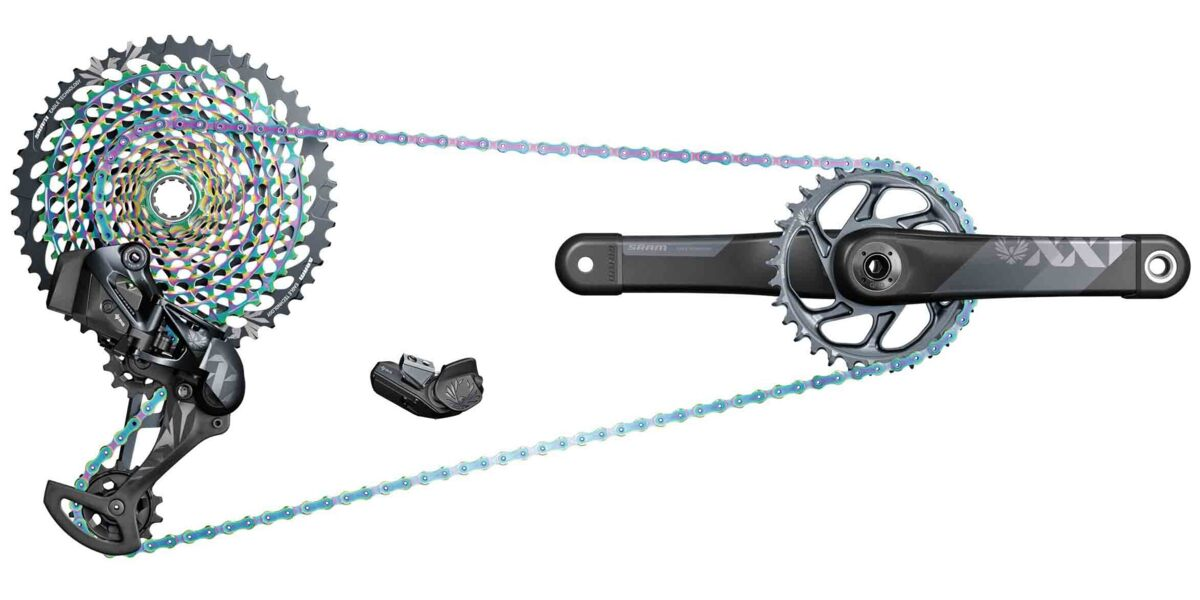
A healthy bike drivetrain shifts cleanly with minimal noise, holds the selected gear under load, and doesn’t hesitate when moving up or down the cassette. If the drivetrain starts skipping during hard pedaling, making constant clicking sounds, or shifting by itself, it usually means something is worn, misadjusted, or contaminated rather than “just normal bike sound”.
For most riders, the key is separating drivetrain noise from other sounds like brake rotor rub or hub/freehub noise, because the fix and parts needed are completely different. A simple way is to pedal under light load in a quiet area and note whether the sound happens only when pedaling (drivetrain) or also when coasting (often wheel, rotor, or freehub).
Fast Diagnosis By Symptom
Start with the symptom that matches what happens on the ride, because different drivetrain problems feel similar but come from different sources. The drivetrain is a system of shifters, derailleurs, crankset/chainrings, cassette, chain, and related parts, so one weak link can affect everything.
Use this quick mapping:
-
Skips under power: worn chain/cassette, chainring wear, or mismatch/compatibility.
-
Shifts by itself (ghost shifting): cable tension/friction, indexing drift, or bent derailleur hanger.
-
Constant clicking/grinding: dirty or dry chain, pulley wear, chainline issues, or misadjusted derailleur.
-
Slow shifting: cable friction, contaminated housing, or poor derailleur setup (B-gap, limits).
Problem 1: Gears Skipping Under Load
Skipping under load often shows up when sprinting, climbing, or pushing hard in a bigger gear, and it’s commonly caused by a worn chain that no longer meshes cleanly with cassette teeth. Chains “elongate” as pins and rollers wear, which accelerates wear on the cassette and chainrings if the chain isn’t replaced early.
What to check and fix:
-
Measure chain wear with a chain checker; if it’s beyond the recommended wear limit, replace the chain first (and expect the cassette may also need replacing if skipping persists).
-
If skipping happens only on one or two sprockets, the cassette cogs are likely worn, so replacing the cassette (often together with a chain) is the reliable fix.
-
If the bike uses a 1x setup and the chainring teeth look hooked or the chain drops more often, the chainring may be worn and should be inspected closely.
Compatibility trap to avoid: mixing the wrong speed chain with the cassette or drivetrain parts can cause poor shifting and skipping because spacing and dimensions vary between 10/11/12-speed systems. Keeping the “speed” consistent across chain, cassette, and shifter/derailleur family prevents many skipping complaints after upgrades.
Problem 2: Slipping Or Ghost Shifting
Ghost shifting is when the bike changes gears without input, or it struggles to hold a gear over bumpy roads or trails, and it’s commonly related to cable tension, contamination, or alignment. Mechanical shifting relies on cable pull and derailleur position, so small changes in cable friction or tension can cause big changes at the cassette.
What to check and fix:
-
If shifting became worse after rain, washing, or long storage, inspect shift cable and housing for corrosion, fraying, or heavy contamination, then replace cables/housing if movement feels sticky.
-
Re-index using the barrel adjuster in small increments until the chain tracks the center of each sprocket cleanly (especially if it hesitates in one direction).
-
If the bike was dropped, fell over, or was transported tightly, suspect a bent derailleur hanger, which can make indexing impossible to stabilize across the cassette.
If the issue feels like intermittent “slip” during pedaling rather than a shift, also consider freehub engagement issues, because the drivetrain can feel like it’s losing drive even when shifting is fine. This is less common than chain/cassette wear, but worth checking when everything else looks correct.
Problem 3: Clicking, Grinding, Or Constant Drivetrain Noise
Constant clicking is often a derailleur indexing or alignment issue where the chain lightly rubs a neighboring sprocket, while grinding is frequently dirt, contamination, or lack of lubrication at the chain rollers. In many cases, noise comes from a chain that’s either dry, overly dirty, or lubricated incorrectly for conditions.
What to check and fix:
-
Clean the chain and cassette properly (degrease, rinse, dry), then apply the right amount of lubricant and wipe off excess to reduce grit buildup.
-
Inspect jockey wheels (derailleur pulleys) for debris, worn teeth, or play, because worn pulleys can create noise and sloppy shifting.
-
Confirm the cassette lockring is tight and the wheel is seated correctly, because a loose cassette can mimic drivetrain clicking even if indexing is correct.
Road bike drivetrain noise is often made worse by cross-chaining (big chainring + big sprocket, or small chainring + small sprocket), because chainline becomes more extreme and friction rises. Avoiding extreme gear combinations reduces noise and wear without buying any new parts.
CeramicSpeed OSPW RS ALPHA Oversized Pulley Wheel Systems
Problem 4: Slow Shifting Or Delayed Gear Changes
Slow shifting usually feels like the shifter is “thinking” before the chain moves, and that points strongly toward cable friction, housing contamination, or a derailleur that isn’t positioned correctly relative to the cassette. On mechanical systems, cables and housing are wear items, and performance drops long before a cable fully snaps.
What to check and fix:
-
If shifting is slow in both directions, start with cables/housing because contamination and tight bends increase friction.
-
If shifting is slow only into the largest sprockets, check derailleur B-screw/B-gap adjustment, because guide pulley distance affects shifting onto big cogs.
-
If the bike has a clutch derailleur (common on mountain bike drivetrain setups), confirm clutch operation is smooth and that the drivetrain is clean, because heavy contamination can make the system feel sluggish.
Problem 5: Chain Drops And Chain Suck
A chain drop can happen from incorrect limit screw settings, worn drivetrain parts, poor front derailleur setup (2x), or insufficient chain retention (1x). Chain suck is when the chain sticks to the chainring and gets pulled upward, often made worse by contamination and worn chainring/chain interfaces.
What to check and fix:
-
Verify H/L limit screws so the derailleur can’t push the chain into the spokes or off the smallest cog, then re-check indexing.
-
For 2x road setups, front derailleur position and trim matter, and small setup errors create rub, slow shifts, and occasional drops.
-
For 1x MTB setups, a worn narrow-wide chainring or incorrect chain length can increase drops, especially on rough trails.
Get The Right Parts And Avoid Repeat Problems
Once the issue is identified, replace the worn or incompatible part rather than “chasing adjustments” endlessly, because adjustments can’t fix worn teeth or an elongated chain. The safest approach for many riders is a wear-item refresh (chain, cassette when needed, cables/housing) paired with a proper tune, since these parts directly control shifting quality.
???? Explore Pedalspot's gears and drivetrain collection today for your next reliable setup.