

In the world of high-performance cycling, materials matter. While aluminium and steel have their loyalists, one material sits undisputed at the pinnacle of modern bicycle engineering: carbon fiber. From elite racers to dedicated weekend enthusiasts, switching to a carbon fiber bicycle frame fundamentally transforms the quality, speed, and comfort of every ride.
What is a Carbon Fiber Bicycle Frame?
Unlike metal frames that are welded together from pre-formed tubes, a carbon fiber frame bicycle is constructed using sheets of woven carbon fibers bound together by a high-strength epoxy resin.
This composite material allows carbon fiber bicycle frame manufacturers to manipulate the frame's characteristics in ways impossible with metal. By layering the carbon sheets (known as the layup) in specific directions, engineers can precisely dictate where a frame needs to be incredibly stiff to handle rider power, and where it can be compliant to absorb road vibrations.
It is a highly sophisticated, engineered structure built from the ground up for performance.
Benefits of Carbon Fiber Bicycle Frames
1. Incredible Lightweight Performance
The most immediate benefit of a carbon bicycle frame is weight reduction. Carbon fiber has an exceptional strength-to-weight ratio, allowing engineers to build frames that are remarkably light without sacrificing structural integrity. A lighter bike means less mass to push up gruelling climbs, quicker acceleration out of corners, and less overall rider fatigue.
2. Advanced Aerodynamic Shaping
Because carbon fiber is moulded rather than welded, designers are not restricted to traditional round tubes. They can sculpt deep aerodynamic profiles, truncated airfoils, and seamless tube transitions that slice through the wind. This significantly reduces drag, letting you maintain higher speeds with less effort.
3. Efficient Power Transfer
When you step on the pedals, you want every watt of energy to move the bike forward. Metal frames can flex laterally under heavy loads, wasting your energy. A well-engineered carbon frame is exceptionally stiff around the bottom bracket and chainstays, ensuring that your explosive power is transferred directly to the rear wheel.
4. Superb Vibration Dampening
One of carbon’s best-kept secrets is its natural ability to absorb road chatter. While stiff under pedalling forces, the material inherently dampens high-frequency vibrations from rough tarmac or gravel. This results in a much smoother, plusher ride that keeps your muscles fresher for longer.
5. Absolute Corrosion Resistance
Unlike steel, which is prone to rust, or aluminium, which can corrode when exposed to harsh environments, carbon fiber is a composite material. It is entirely immune to the corrosive effects of sweat, rain, and road salt. This makes it incredibly resilient, especially in humid, tropical climates.
6. Customisable Design and Compliance
With metal, a tube's properties are uniform throughout. With carbon fiber, manufacturers can customise the wall thickness and fiber orientation at any given millimetre of the frame. This allows for "vertical compliance and lateral stiffness.” That means the bike can be stiff where it counts for speed, yet forgiving where it counts for comfort.
7. Long Lifespan
As long as it isn’t subjected to a catastrophic crash or structural impact, carbon fiber does not suffer from material fatigue in the way aluminium does. It doesn't degrade over time, meaning a high-quality frame will maintain its signature stiffness and ride characteristics for many years of heavy use.
Carbon Bicycle Frames Available at Pedalspot
If you are looking to build your dream bike from scratch, starting with a premium carbon fiber bicycle frame kit is the ultimate way to customise your components. Pedalspot proudly stocks a curated selection of the world's finest frames.
1. Cannondale SuperSix EVO Frameset
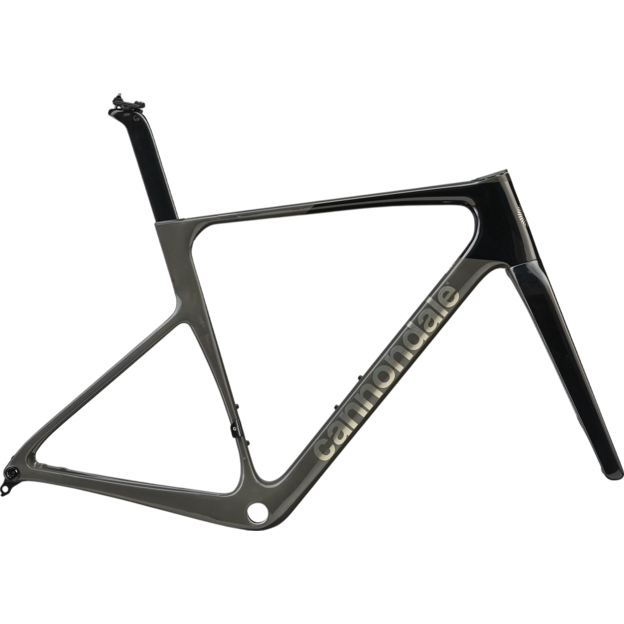
This elite racing frame is crafted from Cannondale's highest-grade carbon fiber, making it incredibly lightweight and lightning-fast on climbs. It features a beautifully clean design with hidden, fully integrated cables and aerodynamic tube shapes that effortlessly slice through the wind.
2. Colnago V3Rs Disc Frameset
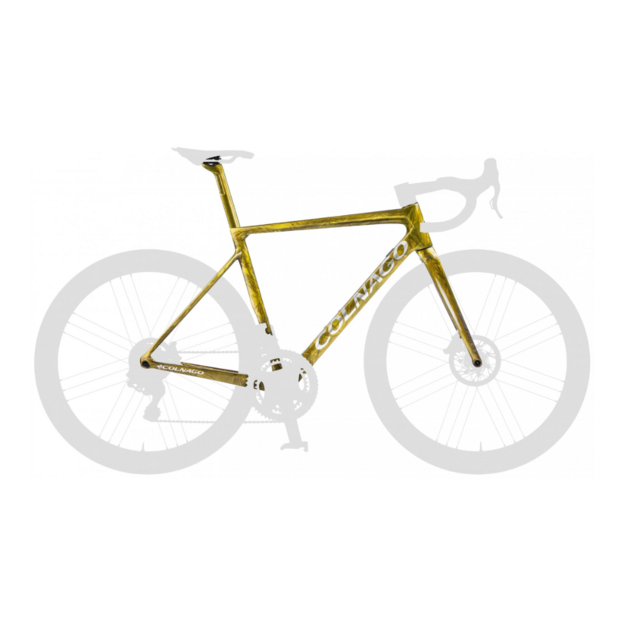
Weighing a mere 790 grams, this true racing frame utilizes an advanced carbon fiber layup
that boosts lateral rigidity by up to 12% for explosive power transfer. Despite its aggressive, podium-engineered stiffness, it delivers significantly improved vertical shock absorption to ensure maximum rider comfort on long, gruelling routes.
3. Colnago V1-R Frameset
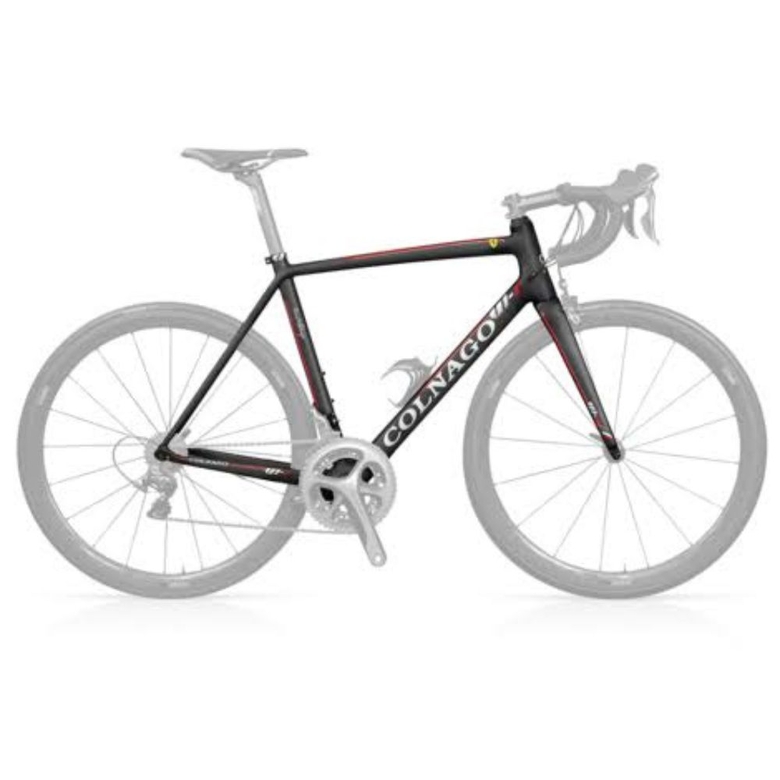
Engineered in collaboration with Ferrari, this exquisite monocoque frame utilizes high grade carbon fiber to achieve an optimal weight-to-performance ratio, proudly bearing Ferrari’s iconic Cavallino logo. The design features meticulously sculpted aerodynamic tube profiles alongside an innovative, full-carbon monocoque rear dropout system with an internal replaceable hanger.
FAQs About Carbon Fiber Bike Frames
1. Are carbon fiber bike frames good?
Yes, they are considered the industry benchmark for high-performance cycling. They offer a superior combination of low weight, stiffness, aerodynamic capability, and ride comfort that metal frames simply cannot match.
2. What type of carbon fiber is used in bike frames?
Manufacturers use varying grades of structural carbon fiber, typically categorised by its "modulus" (tensile stiffness). High-end frames blend Standard, Medium, and High-Modulus fibers across different zones of the frame to balance impact resistance with lightweight rigidity.
3. Do carbon fiber bikes rust?
No. Carbon fiber is a non-metallic composite material, meaning it cannot rust or corrode from exposure to water, salt, or sweat.
4. Can a carbon fiber bike frame be repaired?
Yes. Unlike aluminum frames, which are almost impossible to safely repair after a crack, carbon fiber can be structurally repaired by specialists. Damaged carbon layers can be sanded away and replaced with new carbon sheets and resin, restoring the frame to its original strength.
5. How long will a carbon bicycle frame last?
Indefinitely, provided it is well cared for and free from crash damage. Carbon fiber does not fatigue under normal riding conditions, meaning its structural integrity and performance characteristics will outlast most of the components attached to it.